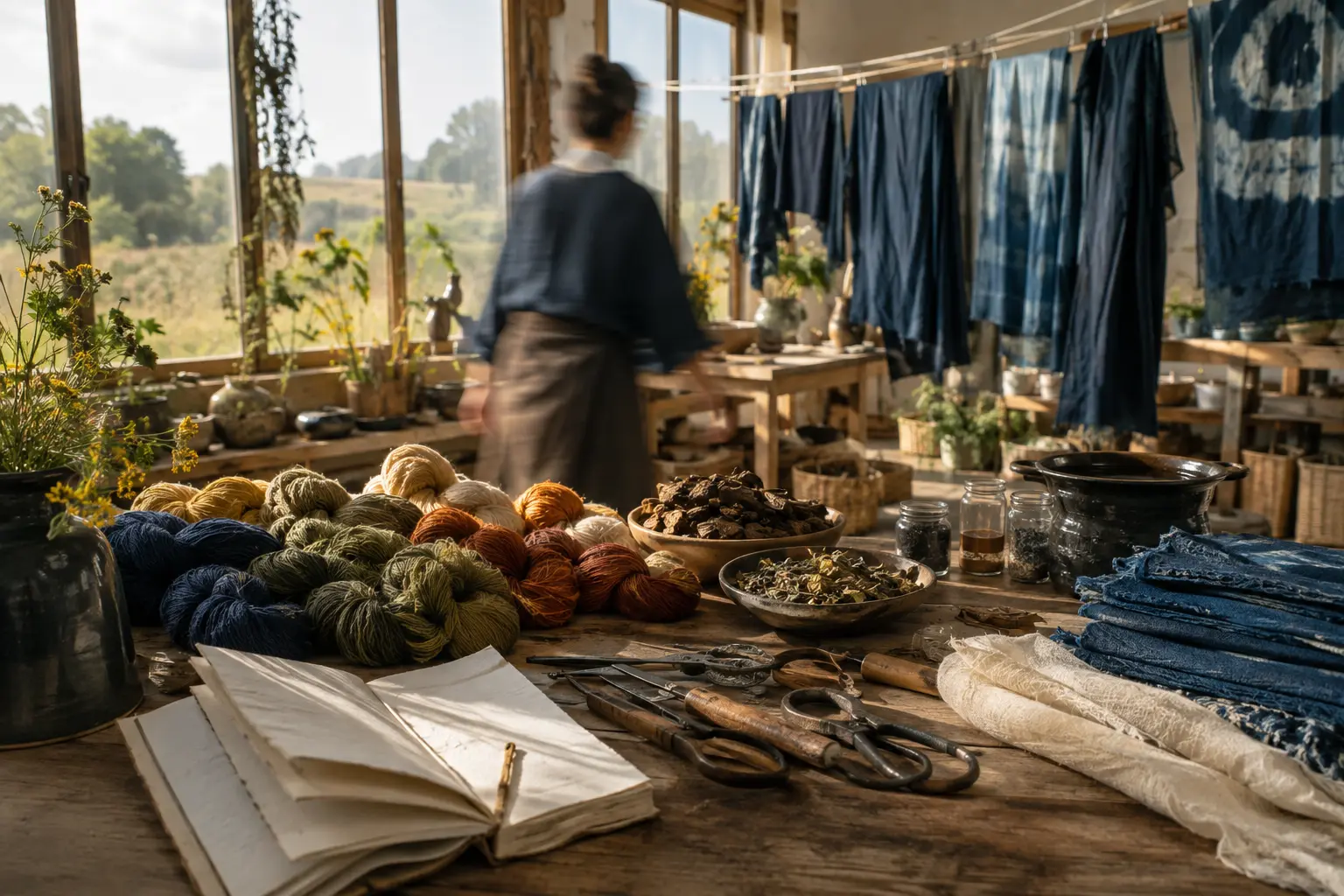
Tools & process
The quiet design of a shared workspace.
A useful tool starts with a good question. What changes when we design a workspace around the people who use it?
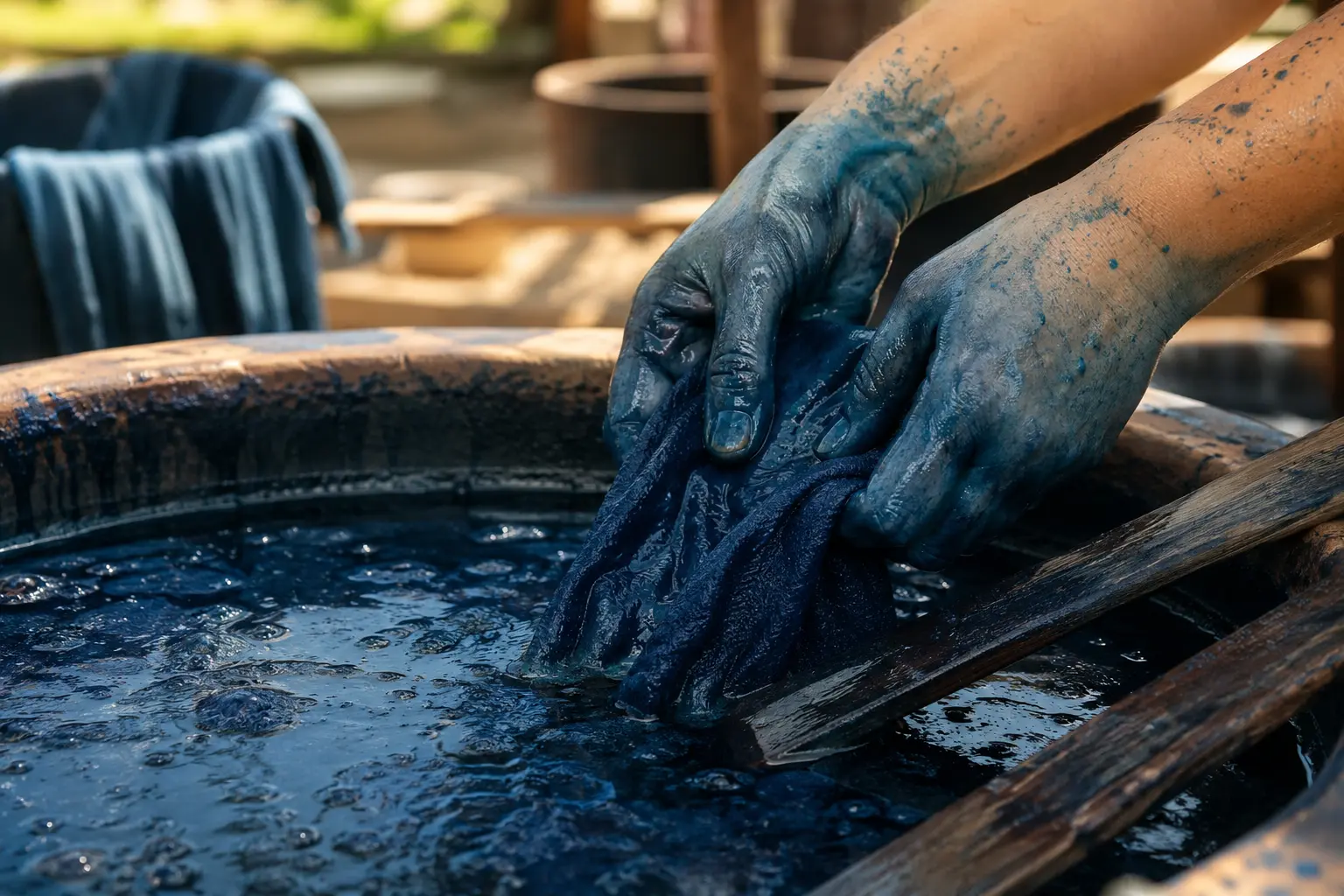
A table, a vessel, a length of hose: the tools of a process can seem ordinary until we pay attention to how they arrange a person's day. Height determines how far someone bends. Distance determines how much they carry. A handle can make an object easier to share, or harder to hold.
Design begins by noticing those relationships. Before adding a new piece of equipment, it helps to follow the work from one step to the next. Where does a movement become awkward? Where does material accumulate? Which task depends on a person quietly doing more than anyone realizes?
Start with the sequence
Draw the process as it happens, rather than as it is supposed to happen. Include preparation, cleanup and the time between steps. The route to a water source matters. So does the place where wet tools dry, or the surface where a notebook can stay out of the splash zone.
This kind of map does not need to be polished. A few arrows and observations can reveal unnecessary crossings or a task that would benefit from a second set of hands. Invite the people doing the work to change the drawing. Their adjustments are information.
Small changes are still design
Moving a frequently used tool closer may be more useful than replacing it. Clear labels can make a shared workspace easier to enter. A stable surface at a comfortable height can change how a repetitive task feels. Each adjustment is a proposition that can be tried, discussed and revised.
No single arrangement will suit every body. Access is an ongoing conversation about reach, strength, movement, rest and choice. Offering more than one way to participate is often more useful than assuming everyone will work at the same pace.
Leave a record for the next person
A tool becomes community infrastructure when knowledge about its use can travel. A sketch, a maintenance note or a photograph of the setup helps make a process less dependent on one person's memory. Record what changed and why, including the experiments that did not help.
Building for the body doing the work is a way of making care visible. It asks us to judge a tool not only by what it produces, but by the conditions it creates for the people around it.